
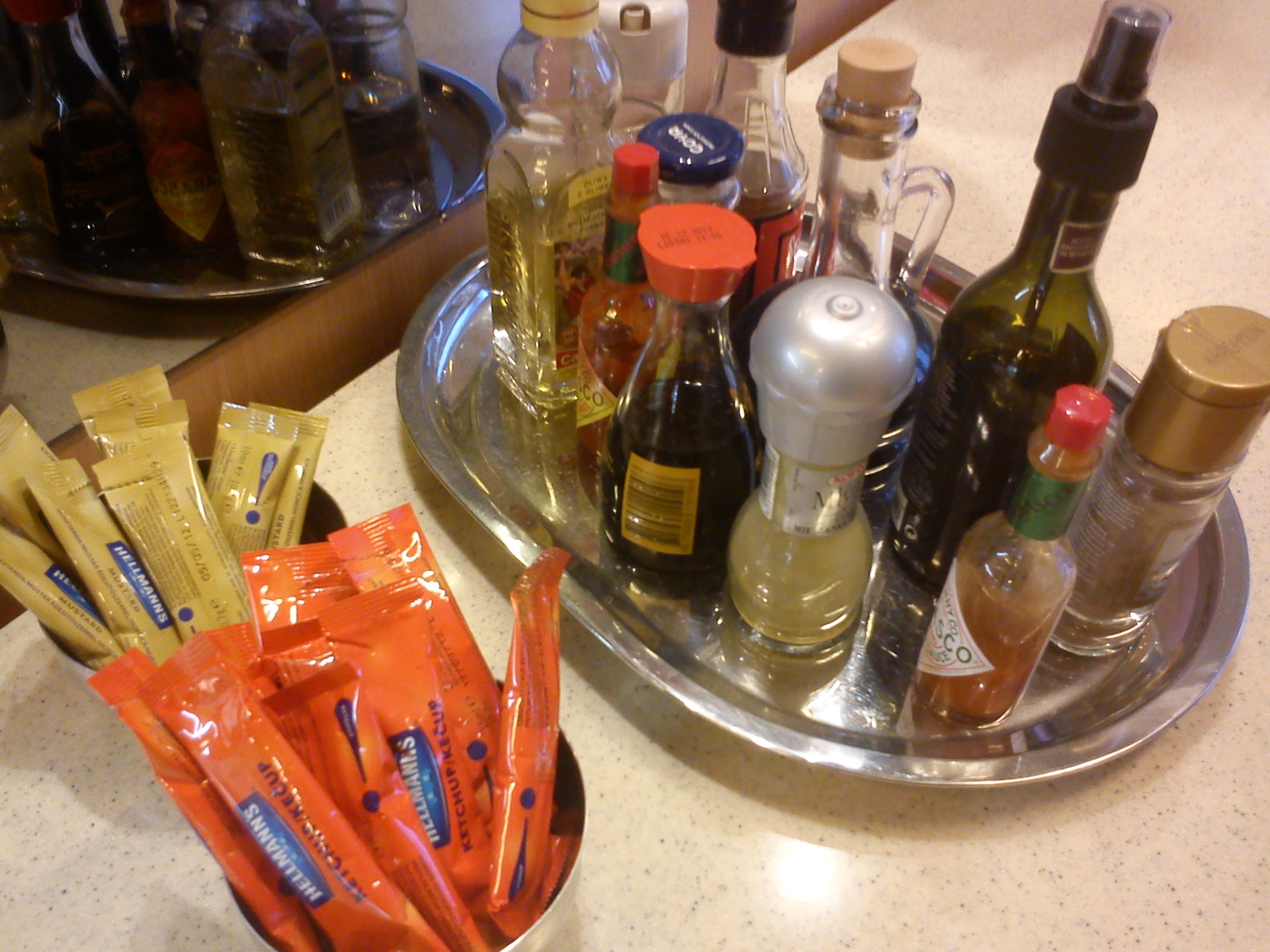


A condiment is a preparation that is added to food, typically after cooking, to impart a specific flavor, to enhance the flavor,[1] or to complement the dish. A table condiment or table sauce is more specifically a condiment that is served separately from the food and is added to taste by the diner.
Condiments are sometimes added prior to serving, for example, in a sandwich made with ketchup, mustard or mayonnaise. Some condiments are used during cooking to add flavor or texture: barbecue sauce, compound butter, teriyaki sauce, soy sauce, Marmite and sour cream are examples.
Many condiments, such as mustard or ketchup, are available in single-serving packets, commonly when supplied with take-out or fast food meals.
Definition[edit | edit source]

The exact definition of a condiment varies. Some definitions encompass spices and herbs, including salt and pepper,[2] using the term interchangeably with seasoning.[3] Others restrict the definition to include only "prepared food compound[s], containing one or more spices", which are added to food after the cooking process, such as mustard, ketchup or mint sauce.[3]

Etymology[edit | edit source]
The term condiment comes from the Latin condimentum, meaning "spice, seasoning, sauce" and from the Latin condire, meaning "preserve, pickle, season".[4] The term originally described pickled or preserved foods, but its meaning has changed over time.[5]
History[edit | edit source]
Condiments were known in Ancient Rome, India, Greece and China. There is a myth that before food preservation techniques were widespread, pungent spices and condiments were used to make the food more palatable,[6] but this claim is not supported by any evidence or historical record.[7] The Romans made the condiments garum and liquamen by crushing the innards of various fish and then fermenting them in salt, resulting in a liquid containing glutamic acid, suitable for enhancing the flavor of food. The popularity of these sauces led to a flourishing condiment industry.[4] Apicius, a cookbook based on fourth and fifth century cuisine, contains a section based solely on condiments.[4]
List of condiments[edit | edit source]
Market[edit | edit source]
 | The examples and perspective in this section may not represent a worldwide view of the subject. (March 2022) |
In the United States, the market for condiments was US$5.6 billion in 2010 and was estimated to grow to US$7 billion by 2015.[8] The condiment market is the second largest in specialty foods behind that of cheese.[8]
Gallery[edit | edit source]
-

-
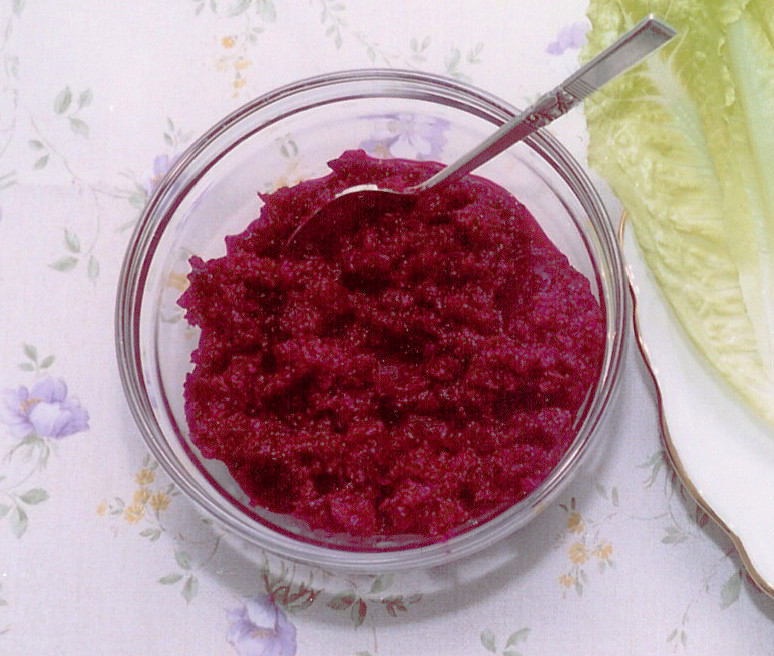 Chrain (horseradish sauce)
 -

-

-

-

-

-
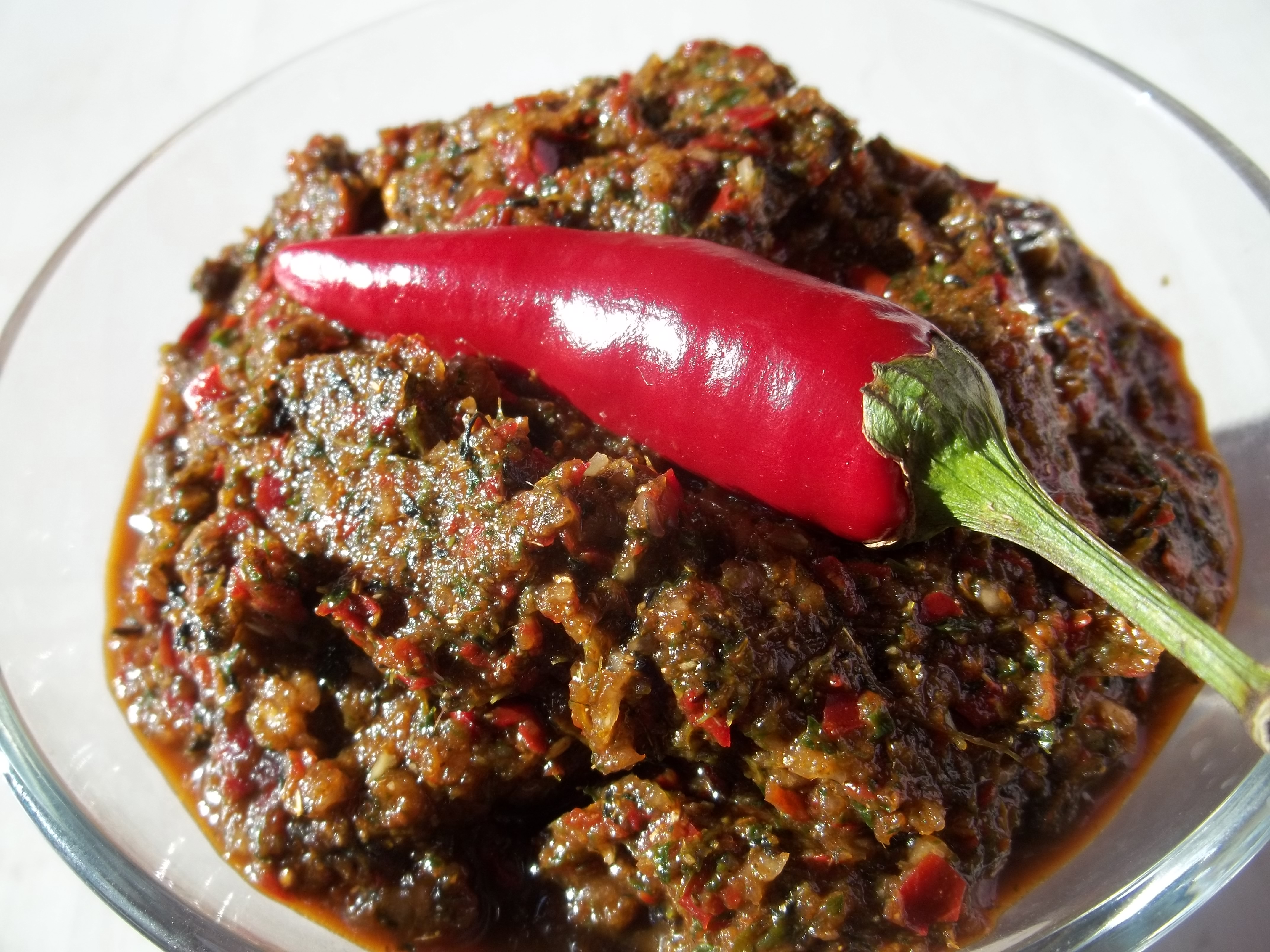 Ajika, spicy sauce in Caucasian cuisine
 -

-

-
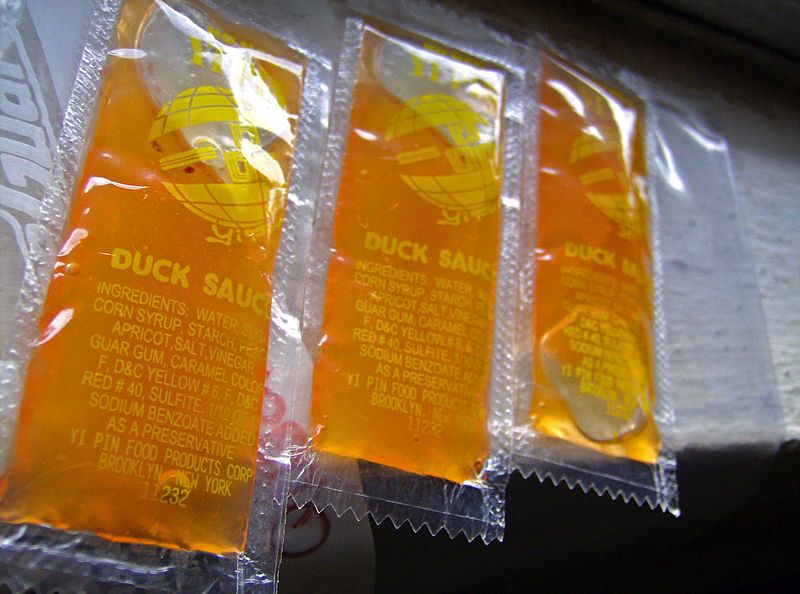 Packets of duck sauce
 -

-
-

-

-

-

-


See also[edit | edit source]
- Condiments by country (category)
- Dip
- Garnish
- List of fish sauces
- List of foods
- List of mustard brands
- Non-brewed condiment
- Seasoning
- Herb – Plant used for food, medicine or perfume
- Spice – Food flavoring
- Relish
- Pickling
- Ingredient
References[edit | edit source]
Citations[edit | edit source]
- ↑ Merriam-Webster: Definition of condiment
- ↑ Collins: Definition Condiment
- ↑ 3.0 3.1 Farrell 1990, p. 291
- ↑ 4.0 4.1 4.2 Nealon 2010
- ↑ Smith 2007, pp. 144–146
- ↑ Farrell 1990, p. 297
- ↑ Freedman, Paul (2008). Out of the East: Spices and the Medieval Imagination. Yale University Press. pp. 3–4. ISBN 978-0-300-21131-3.
- ↑ 8.0 8.1 Sax, David (7 October 2010). "Spreading the Love". Bloomberg Businessweek. Archived from the original on 9 October 2010. Retrieved 9 October 2010.
Sources[edit | edit source]
- "Collins: Definition Condiment". Collins Dictionary. n.d. Retrieved 29 September 2014.
- Farrell, K. T. (1990). Spices, Condiments and Seasonings (2nd ed.). MA, USA: Aspen Publishers. ISBN 9780834213371.
- "Merriam-Webster: Definition of condiment". Merriam-Webster Dictionary. Retrieved 23 October 2011.
- Nealon, Tom (7 September 2010). "De Condimentis". HiLobrow. Retrieved 10 February 2014.
- Smith, Andrew F. (1 May 2007). The Oxford companion to American food and drink. Oxford University Press. ISBN 978-0-19-530796-2. Retrieved 15 March 2012.